From Cézanne to Picasso: 5 secret stories of Sennelier colours

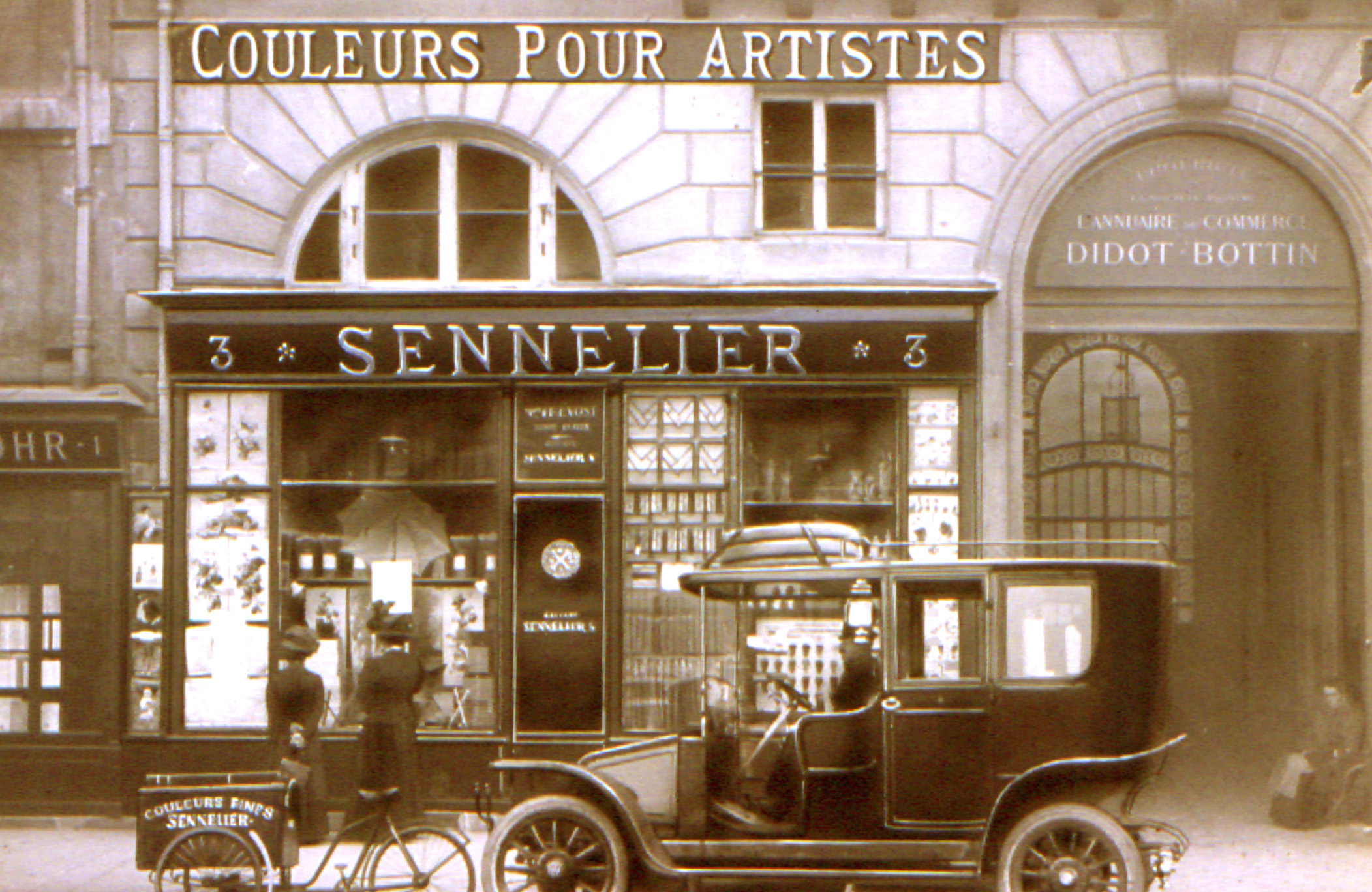
Founded in 1887 on Quai Voltaire in Paris, Sennelier is an institution whose colours have accompanied the greatest artists, from Cézanne to Picasso. But beyond the reputation of its products, its history is marked by anecdotes and manufacturing secrets that reveal a unique philosophy, deeply rooted in collaboration with artists.
This article invites you to discover five of these surprising stories, taken directly from the family archives. Each colour hides a story of innovation and partnership that has shaped the world of art as we know it today.
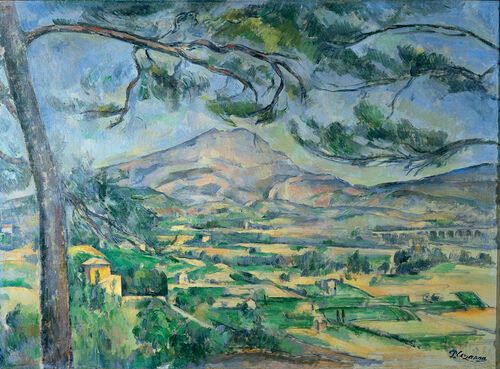
1. The first oil colours were co-created with artists, including Cézanne.
When Gustave Sennelier, a chemistry enthusiast, took over a paint shop on Quai Voltaire in 1887, he set himself a daring challenge. He sold paints from established competitors, but his ambition was to create his own range of superior quality paints. To achieve this, he did not isolate himself in a laboratory but transformed his shop into a collaborative research and development centre.
For two years, he developed his first line of oil colours in constant dialogue with the painters who were his customers. He submitted his samples to them, listened to their criticism and refined his formulas based on their direct feedback. This approach, which today would be described as ‘co-creation’, was a brilliant entrepreneurial strategy for the time. It enabled him to design a product perfectly suited to the demands of the field and to stand out from the competition.
This approach attracted the biggest names in painting, who came in search of colours that finally met their expectations. Among these valuable advisors was an artist whose opinions on the consistency of the paints proved decisive.
‘Gustave developed his range with a number of well-known painters, one of whom, named Cézanne, gave him valuable advice on consistency and improvements to be made,’ explains Dominique Sennelier, Gustave's grandson.
2. Oil pastels were invented at the special request of Pablo Picasso.
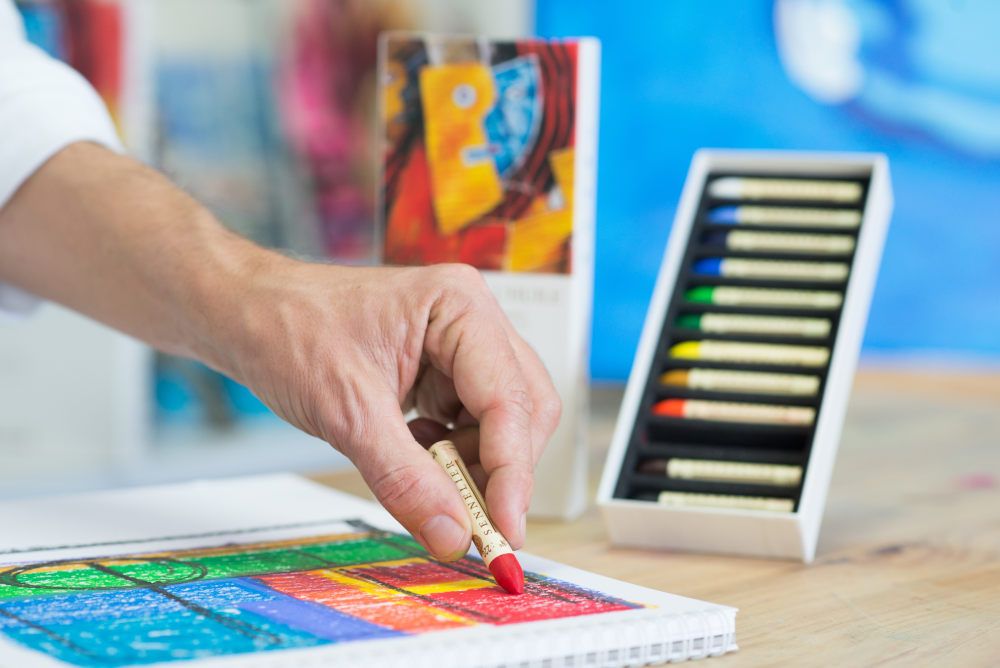
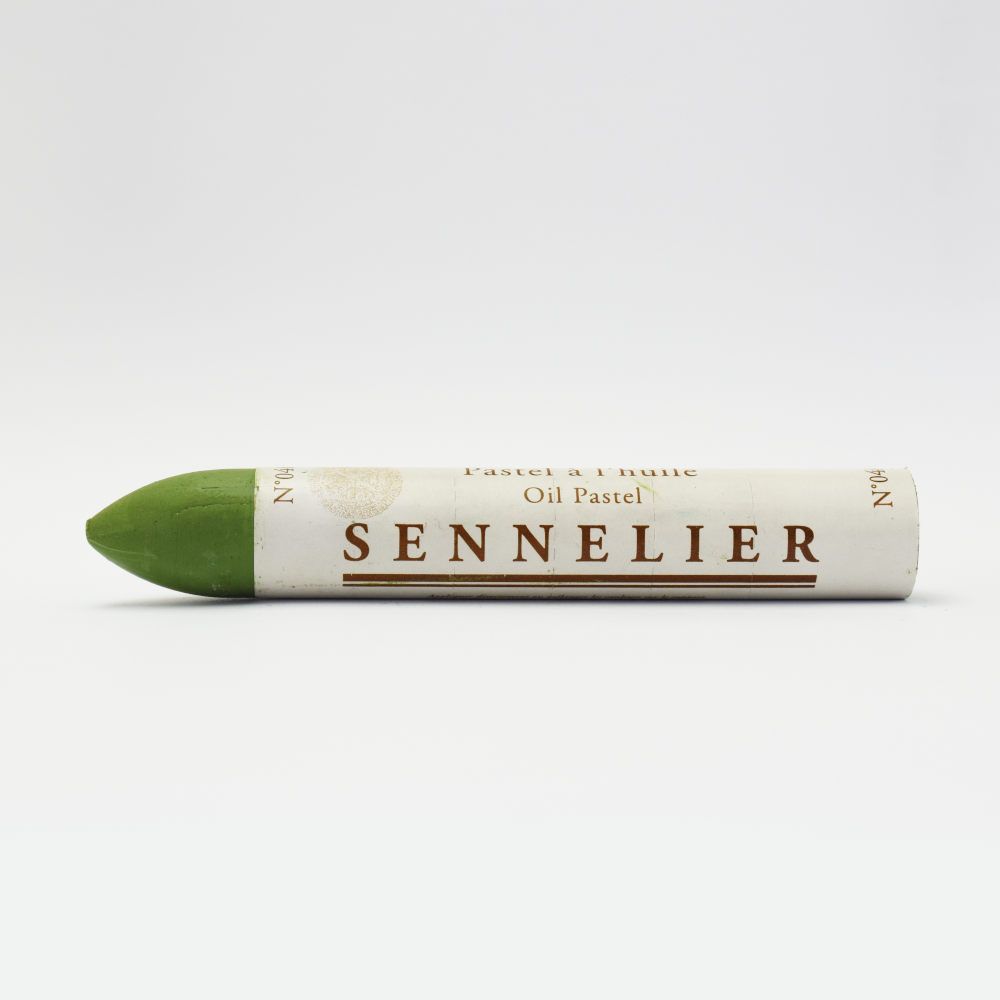
In 1948, Gustave Sennelier's son, Henri Sennelier, received a request that was as unusual as it was prestigious. Through the painter Henry Goetz, his neighbour Pablo Picasso was looking to create a revolutionary medium. His specifications were disarmingly simple: a colour that could be applied to any surface, including wood, cardboard, metal and paper.
After a year of research, the workshops developed a unique product: a stick made from wax and pigments, very oily and with exceptional adhesion. However, Dominique Sennelier's father remained sceptical. The product never hardened completely, which he considered to be a fatal flaw. His faith in this invention was so weak that he did not even bother to have labels printed for the first production run, settling for a simple ink stamp.
Despite his doubts, he presented the result to Picasso, who was immediately won over and bought three-quarters of the first batch. The rest was put on sale in the shop, almost reluctantly. Against all odds, artists immediately embraced it. Demand continued to grow, ensuring the worldwide success of an entirely new medium, born out of the specific constraints of a genius artist and the disbelief of its creator.
3. Soft pastels became a global success thanks to a happy accident.
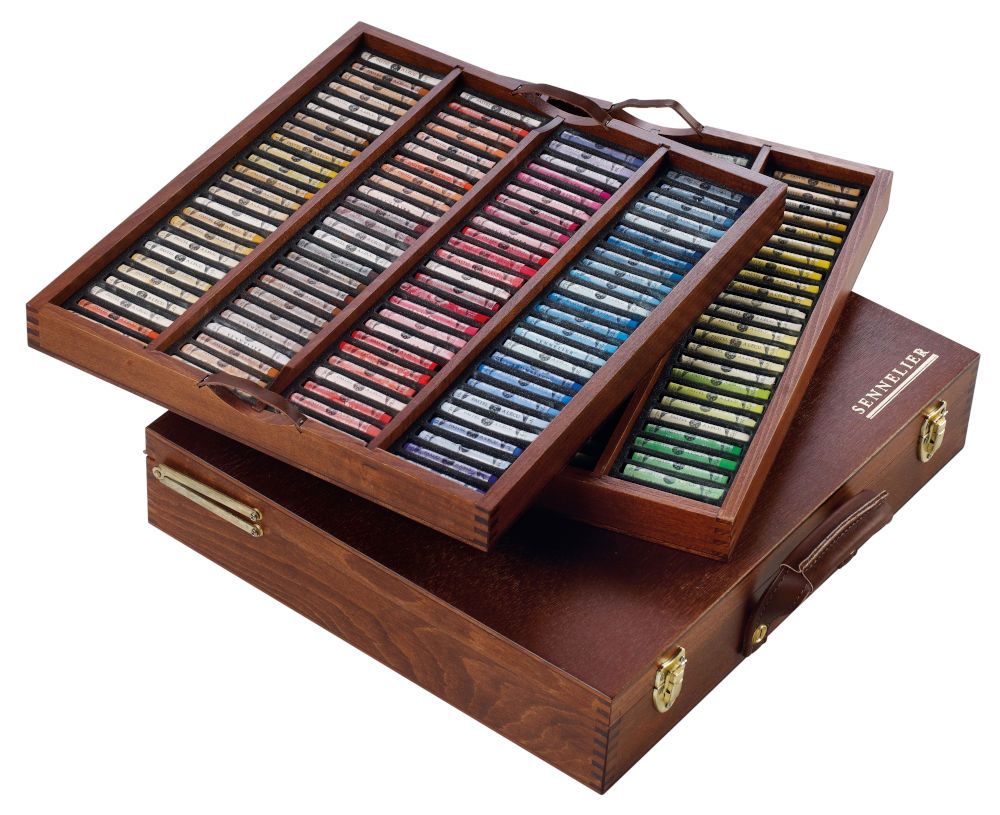
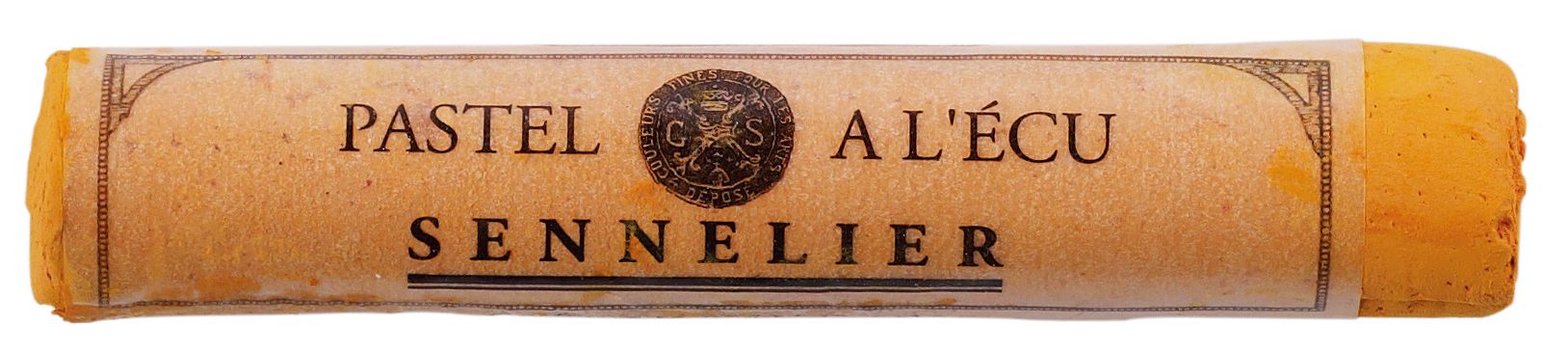
While the invention for Picasso was the result of a direct request, the global success of another of the company's flagship products, soft pastels, was more a matter of passionate commitment and a fortunate combination of circumstances. Initiated on a suggestion from Degas around 1900, the range was completely reformulated in 1946 by Dominique Sennelier's father. He embarked on this venture out of pure love for the product, even though pastels had gone out of fashion and were selling very poorly.
This decision defied all commercial logic. Major paint manufacturers had abandoned production, judging it unprofitable. But Dominique's father, described by his son as ‘a very good chemist but not a very good businessman’, continued to perfect his range simply ‘because he loved the product’. In particular, he resisted the temptation of industrial efficiency, having observed that rapid drying in heated ovens created a hard crust on the surface. The consequence was unacceptable: the pastel lost its smoothness when applied.
An unexpected change came in the 1970s, when a new wave of popularity for pastels swept across the United States. Sennelier, one of the few artisans to have maintained high-quality production, suddenly found itself with ‘the largest range on the world market’. A stubborn attachment to a neglected product has thus propelled the brand onto the international stage.
4. Pigments used in artistic painting account for only a fraction of global production.
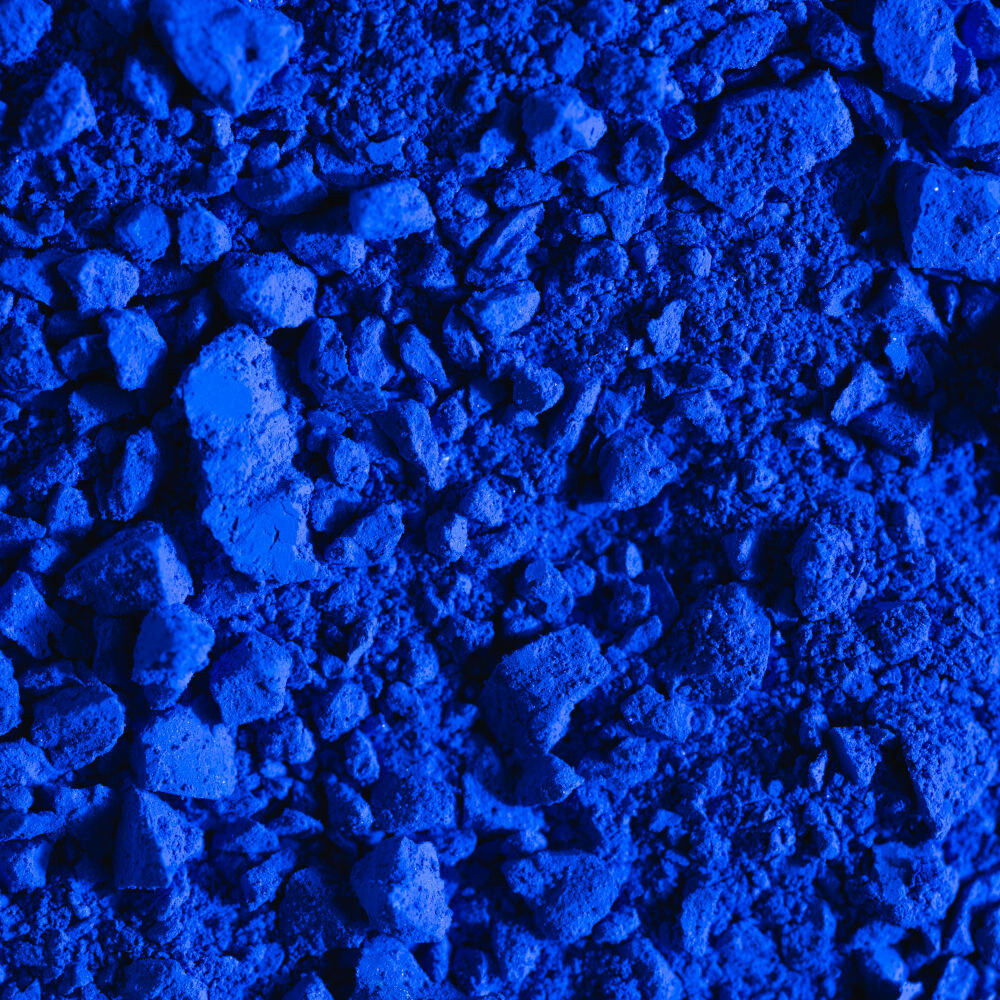
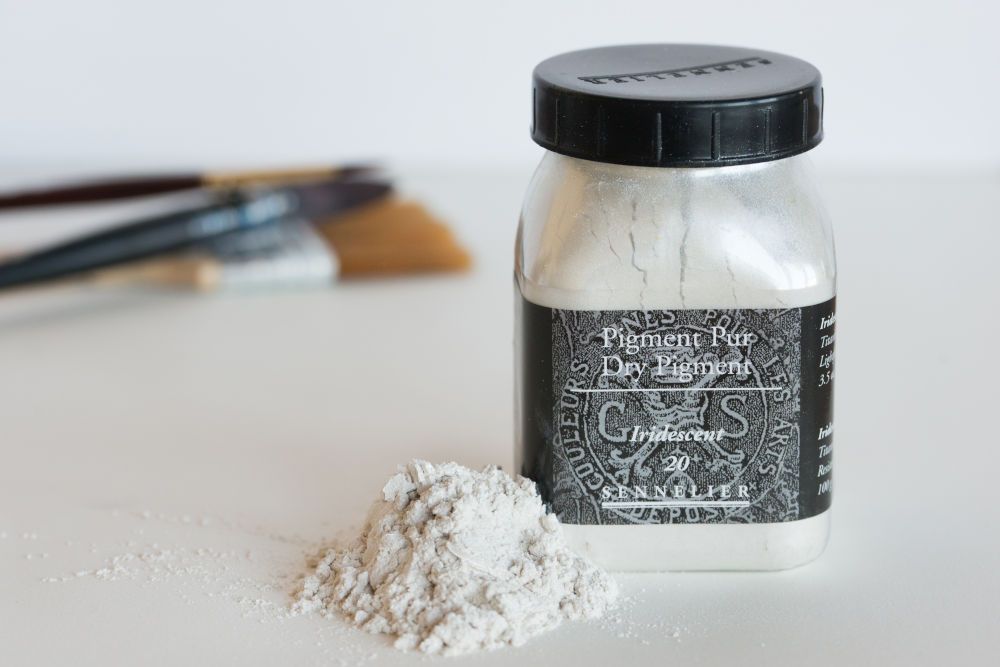
All manufacturers of colours for the fine arts consume only about 2 to 3% of global pigment production. This is a tiny share that places artisan colourists as niche players in a titanic industry dominated by paints for construction, automotive, plastics and printing inks.
This reality has profound consequences. For a manufacturer like Sennelier, selecting the purest and most stable pigments is a constant challenge. Not only must the best raw materials be found in a market designed for other needs, but the disappearance of essential pigments must also be dealt with when large-scale industry stops using them. This situation makes the loss of small, historic Parisian producers such as ‘La maison de la Borderie’ and ‘la Manufacture des Couleurs d'Ivry’ all the more poignant, as they once supplied
5. Today's colours are still compared to the standards of 1890.
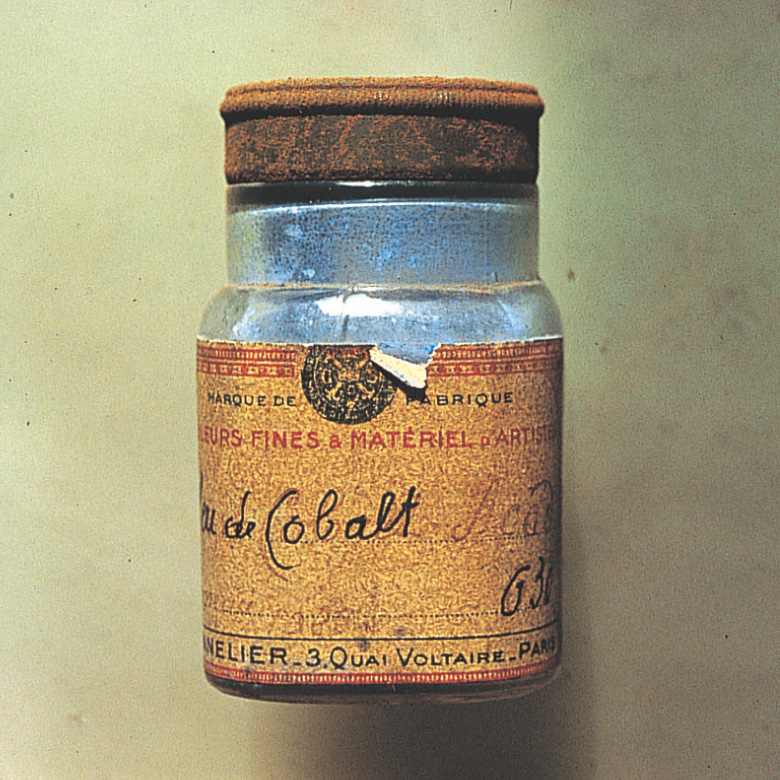
How can we guarantee that a Cobalt Blue purchased today has the same shade as the one produced over a century ago, when its original manufacturers have all disappeared? To meet this challenge, Sennelier relies not only on technology, but also on a tangible heritage: the original pigment bottles selected by the founder, Gustave Sennelier himself.
The selection process is extremely rigorous. To choose a new Cobalt Blue, the company's colourists spread out between 15 and 50 samples from suppliers around the world. They compare them in their pure tone, then in shades with white, observing their behaviour. They analyse the slightest deviation, setting aside any blue that changes too much during application, becomes too intense when mixed, or whose shade deviates from the ideal. The final decision is based on a jar from 1890, used as a benchmark.
‘This little pot remains our benchmark,’ says Dominique Sennelier. ‘The manufacturers who produced cobalt blue in the 1890s have all disappeared, but our standard remains.’
Maintaining a standard that dates back more than 130 years reflects the company's commitment to tradition and quality.